- Welcome to One Audio: Your Destination for Professional-Grade Earphones
- info@oneaudio.co
- +8615338724004


Headphones have become an indispensable part of our daily lives, whether for listening to music, gaming, or attending virtual meetings. But have you ever wondered what goes into making these incredible devices? In this blog post, we’ll explore the structure, components, and working principles of headphones, giving you a deeper understanding of the technology behind the sound.
Headphones come in various shapes and sizes, but their basic structure is generally consistent across different types. Here are the key components that make up most headphones:
The headband is the part that connects the two ear cups and sits on top of your head. It is usually adjustable to ensure a comfortable fit for different head sizes. The headband can be made from various materials, including plastic, metal, or even fabric for added comfort.
The ear cups are the sections that cover your ears. They house the drivers and other internal components. Ear cups can be either open-back or closed-back. Open-back ear cups allow air and sound to pass through the ear cups, providing a more natural sound but less isolation. Closed-back ear cups provide better sound isolation by sealing the ear cups, preventing sound from leaking in or out.
Ear pads are the cushions that sit against your ears, providing comfort and improving sound isolation. They can be made from various materials, such as foam, leather, or velour. The quality and material of the ear pads can significantly affect the overall comfort and sound quality of the headphones.
Drivers are the heart of the headphones and are responsible for producing sound. They convert electrical signals into sound waves. The most common types of drivers are dynamic, planar magnetic, and electrostatic.
The cable transmits the audio signal from the source to the headphones. It can be detachable or fixed, depending on the headphone model. The connector is the plug that connects the headphones to the audio source, such as a smartphone, computer, or audio interface.
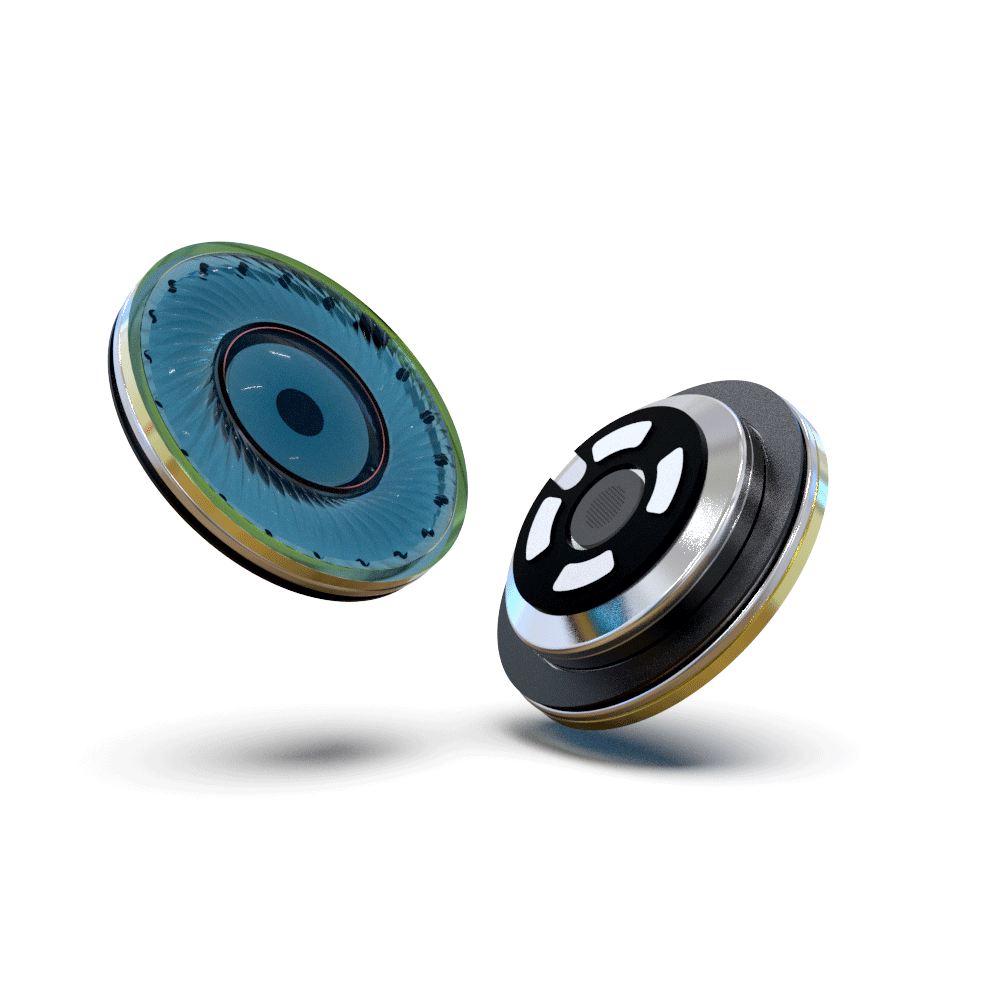
Dynamic drivers are the most common type found in headphones. They consist of three main components: a diaphragm, a voice coil, and a magnet. When an electrical signal passes through the voice coil, it creates a magnetic field that interacts with the magnet. This interaction causes the diaphragm to move, producing sound waves.
Planar magnetic drivers use a thin diaphragm with a conductive wire pattern placed between two magnets. When an electrical current passes through the wire pattern, it creates a magnetic field that interacts with the magnets, causing the diaphragm to move and produce sound. These drivers are known for their excellent sound quality and low distortion.
Electrostatic drivers use a thin, electrically charged diaphragm placed between two conductive plates (electrodes). When an electrical signal is applied to the electrodes, it creates an electrostatic force that moves the diaphragm, producing sound waves. Electrostatic headphones are known for their exceptional sound quality and detail but require a special amplifier to operate.
Acoustic chambers are the spaces within the ear cups that house the drivers. They play a crucial role in shaping the sound by controlling how the sound waves interact within the ear cups. The design and material of the acoustic chambers can significantly affect the overall sound quality and tonal balance of the headphones.
In some high-end headphones, crossovers are used to divide the audio signal into different frequency bands and send them to different drivers. This allows each driver to handle a specific range of frequencies, improving overall sound quality and reducing distortion.

The primary function of headphones is to convert electrical signals into sound waves. This process begins with the audio source sending an electrical signal through the cable to the drivers. The drivers then convert these electrical signals into sound waves by moving the diaphragm, which pushes and pulls the air to create sound.
The frequency response of headphones refers to the range of frequencies they can reproduce. It is usually measured in Hertz (Hz) and indicates how well the headphones can reproduce low, mid, and high frequencies. A wide frequency response range is essential for accurate and detailed sound reproduction.
Impedance is the resistance of the headphones to the electrical signal from the audio source. It is measured in ohms (Ω). Headphones with low impedance (less than 50 ohms) require less power to produce high audio levels and can be easily driven by portable devices like smartphones. High-impedance headphones (more than 50 ohms) require more power and are typically used with dedicated headphone amplifiers.
Sensitivity measures how efficiently headphones convert electrical signals into sound. It is usually measured in decibels (dB) and indicates the loudness of the headphones at a given power level. Higher sensitivity means the headphones can produce louder sound with less power.
Noise isolation refers to the headphones’ ability to block external sounds. This is achieved through the design and materials used in the ear cups and ear pads. Noise cancellation, on the other hand, uses active electronic circuitry to cancel out ambient noise. This is done by generating sound waves that are the exact opposite (anti-phase) of the unwanted noise, effectively canceling it out.
Understanding the structure, components, and working principles of headphones can help you make an informed decision when choosing the right pair for your needs. Whether you’re looking for the best sound quality, comfort, or specific features like noise cancellation, knowing what goes into making headphones can guide you in finding the perfect match. As technology continues to advance, we can expect even more innovative and high-quality headphones to enhance our listening experiences.